
Building for Autonomy, Not Applause
If nobody ever validated my work, I’d still build closed-loop tools that make dependence optional. The real project isn’t a product—it’s a life designed to be hard to trap.
Posted by

Related reading
When You’re Unsure, Build Capacity
Uncertainty tempts you into hovering—lots of mental motion, zero traction. Capacity building gives you a default move in the fog: raise your baseline so you can recognize and capitalize on the next real opportunity.
Planning for Your 20s: Design for Reality, Not Perfection
Most planners assume stable weeks, stable energy, and stable motivation—exactly what your 20s rarely provide. A better system reduces shame by helping you filter what deserves your energy, even during messy weeks.
A Simple Study Ritual for Clear Intuition and Follow Through
A lightweight blend of alpha-wave audio, a short countdown, and targeted affirmations to enter a calm, receptive state—then actually turn guidance into action. Designed to support both intuitive clarity and practical money-focused execution.
The Only Thing I’d Build Without Validation
Someone asked me a question that accidentally cut through most of my usual noise:
What would you keep building if no one ever validated it—no users, no praise, no revenue—but it still felt true to you?
My answer surprised me by how quickly it arrived.
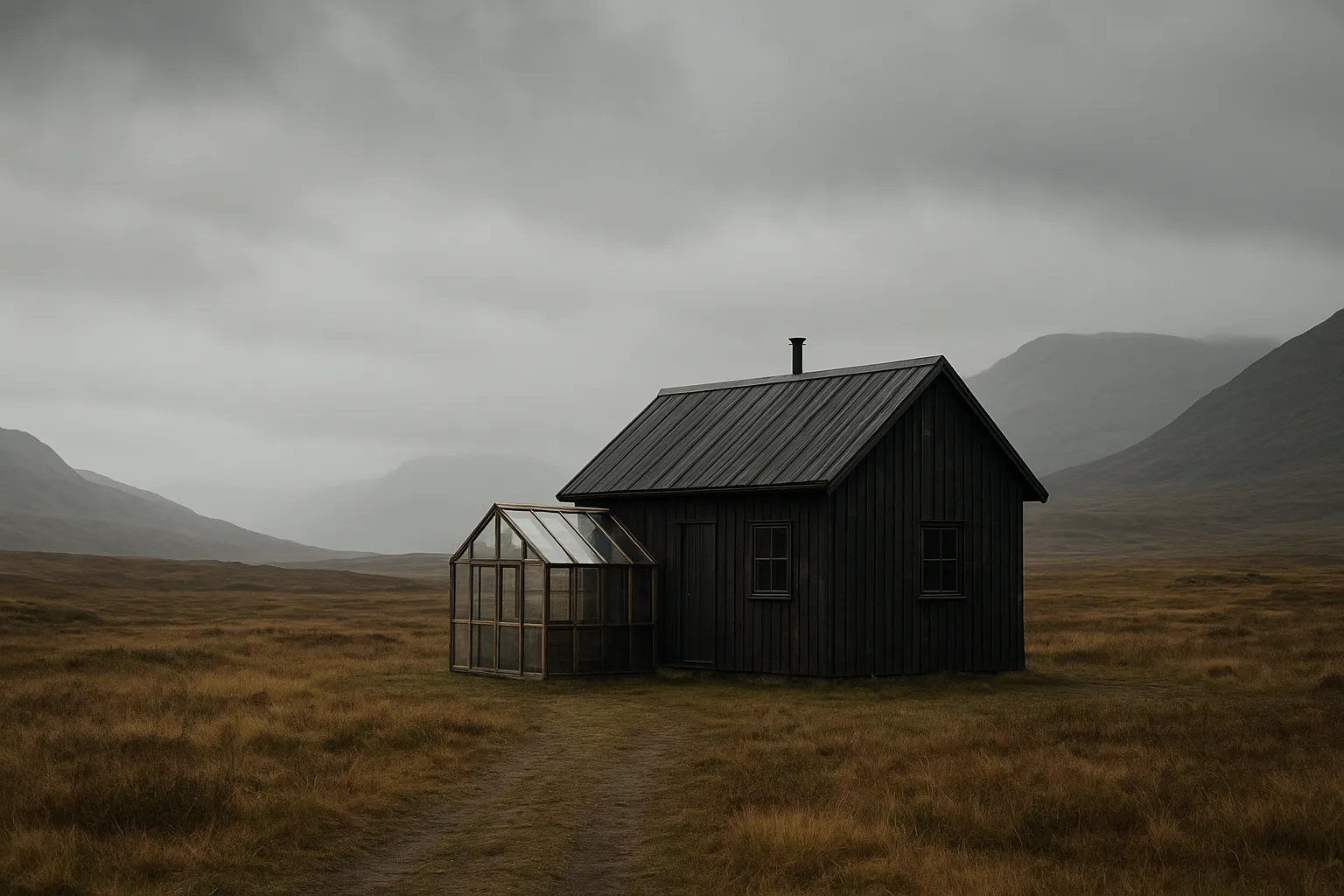
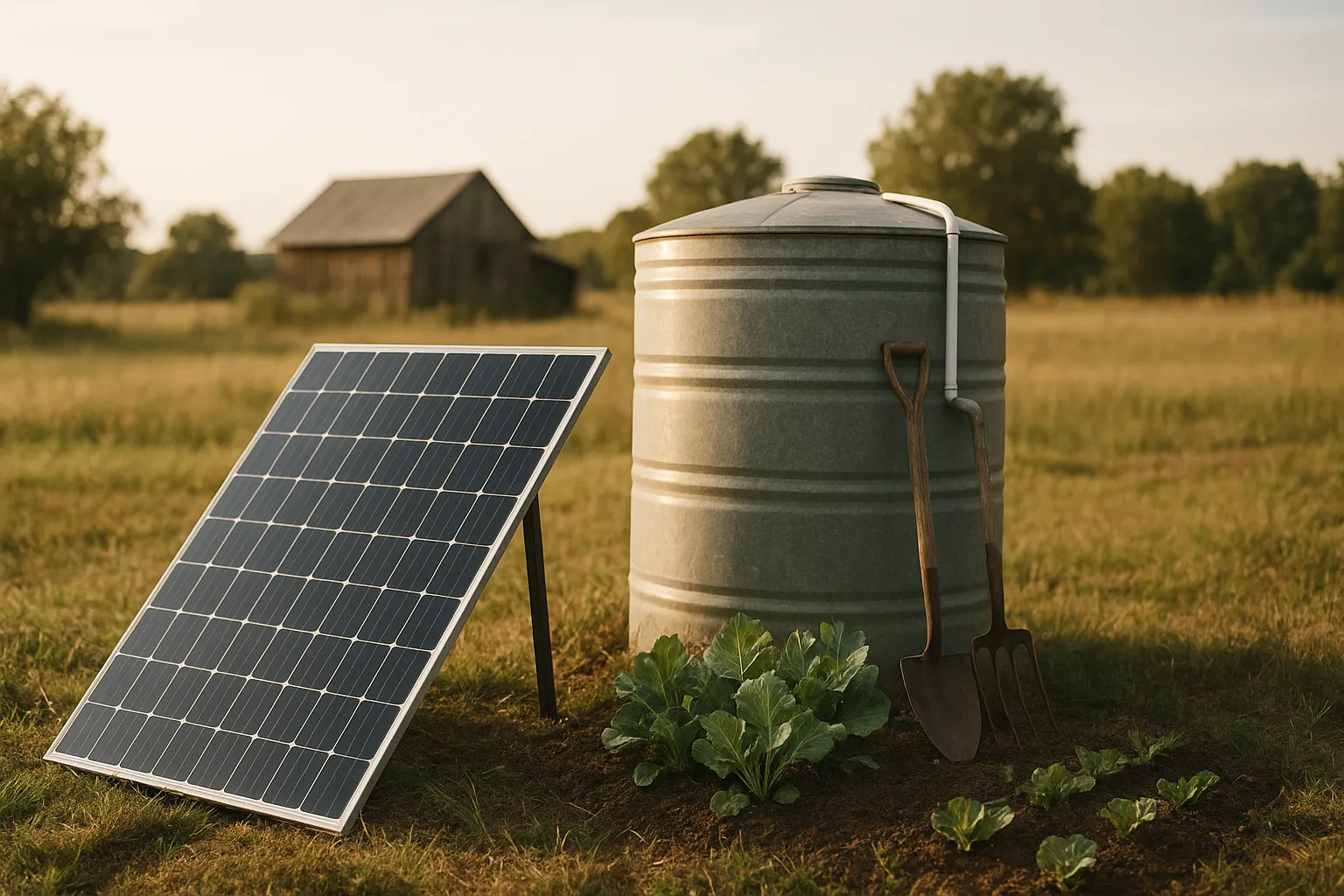
I’d build tools for myself that would help me sustain myself for the rest of my life—tools that would farm, tools that would mine, tools that would manufacture, and tools that would entertain me.
Not “products.” Not “a startup.” Not “a platform.” Tools. Closed loops. Systems that keep working even if the internet disappears, even if nobody claps, even if the world moves on without noticing.
That answer says more about how I’m wired than any personality test ever could.
I Don’t Want Power Over People. I Want Power Over Conditions.
There’s a kind of ambition that’s really just social dominance dressed up as “impact.” I don’t relate to it.
My obsession has always been more primitive: reduce dependence. Reduce fragility. Reduce the number of external variables that can ruin my day, my week, my life.
Farming, mining, manufacturing, entertainment—those aren’t status fantasies. They’re continuity fantasies. They’re about having enough control over reality that I’m not constantly negotiating with the world for permission to exist comfortably.
That probably sounds dramatic. But I think a lot of “normal” life is just subtle dependency:
- dependency on employers
- dependency on a city
- dependency on social goodwill
- dependency on being understood
- dependency on timing, trends, and gatekeepers
And every time you depend, you pay a tax. Sometimes it’s money. Sometimes it’s dignity. Sometimes it’s your ability to say “no” without consequences.
I’m not trying to win. I’m trying to be hard to trap.
“A Thinker Who Builds Because He Must”
Another question I got was whether I’m primarily a builder who thinks, or a thinker who builds.
I’m a thinker who builds because he must.
I don’t build because it’s cute. I build because it stabilizes me. Thinking without building is like revving an engine in neutral—loud, hot, and going nowhere. Building gives the thinking a chassis. It forces decisions. It produces proof.
And if everything I’ve made disappeared tomorrow, the part of me that would still feel intact is simple:
the ability to build on command.
Not outcomes. Not recognition. Not the story. The skill.
That’s the only identity anchor I fully trust, because it doesn’t require anyone else’s participation.
Autonomy Is My First-Class Value (Even When That’s Inconvenient)
I got asked where I draw the line between “protecting autonomy” and “withholding care.”
My honest answer was basically: feelings and vibes.
If my autonomy feels threatened, I treat that as a marker. And if it starts costing me happiness, I stop.
This is the part where people like to moralize. They want clean rules: always communicate, always compromise, always give more, always soften. But I’ve learned I can’t run my life on what sounds good in a tweet.
My system is cruder, but it’s real:
- If I feel cornered, I become less kind.
- If I feel managed, I become less generous.
- If I feel coerced, I stop caring about being understood.

So I try to catch it early. I try to design my life so I’m not constantly forced into the kind of negotiations that make me quietly resent everyone.
I Feel Relief After Refusal. That Should Tell You Something.
A question that hit harder than it looked: When you refuse someone, are you more relieved or more lonely afterward?
Relieved.
That one word explains a lot. It suggests my default mode isn’t selfishness—it’s over-accommodation. If saying “no” makes me feel relief, then “yes” was probably costing me something I wasn’t admitting.
The “no” isn’t cruelty. It’s a pressure release valve.
And it also explains why I’m suspicious of relationships (romantic or otherwise) that come with invisible obligations. I don’t like contracts that aren’t explicitly negotiated. I especially don’t like emotional contracts where the other person gets to decide what I owe them based on how they feel.
That’s not me trying to be edgy. That’s me trying to stay sane.
Peace > Accuracy, and I’m Not Pretending Otherwise
Another question: do I want peace in relationships, or do I want accuracy—even if it causes friction?
Peace. Any day.
Some people claim they want “truth” when what they want is control. Some people claim they want “communication” when what they want is a courtroom. I’ve been tempted into those dynamics before, and it’s never worth it.
Accuracy can be an addiction. There’s always one more thing to clarify, one more wrong assumption to correct, one more “actually” to deliver. It can become a way to avoid the real work: choosing a direction and living with the imperfections.
Peace isn’t weakness. For me, peace is a deliberate trade.
It means I might be misunderstood. It means I might not “win” the argument. It means I might let things slide.
But it also means I get to keep my nervous system intact.
Love Without Understanding Is (Maybe) Enough
I got asked: If a partner fully accepted you but never truly understood you, would that be enough?
I said yes. I think.
That answer isn’t romantic, but it’s honest. I don’t need to be deeply interpreted. I’m not seeking a biographer. I’m seeking a stable environment.
There’s a specific kind of intimacy I don’t enjoy: the kind that feels like an interrogation wearing the costume of care. Where every preference has to be explained, every boundary has to be justified, and every quiet mood becomes a “conversation.”
Acceptance without full understanding sounds peaceful. That sounds like someone who isn’t trying to convert me into a more socially approved version of myself.
“I Want the World to Adapt to Me” (Yes, I Know It’s a Fantasy)
When asked whether I want the world to adapt to me—or to finally acknowledge that I already adapted first—I said I want the world to adapt to me.
And then I immediately admitted it’s a beautiful fantasy.
It’s not entitlement. It’s exhaustion.
If you spend enough of your life adapting—masking, translating, softening, packaging your thoughts into acceptable shapes—you eventually fantasize about the opposite. Not because you think you’re special, but because you’re tired of always being the flexible one.
I also got asked whether my bluntness is a flaw I manage or a filter that selects the right people.
A filter. Any day.
Not because I want to be harsh, but because I don’t want relationships built on performance. If someone can’t handle my directness (when it’s not malicious), we were going to suffer later anyway.
Replacing Systems, Not Escaping Them
One question was whether I critique systems because I want to escape them, or because I want to replace them.
Replace. Any day.
Escaping is temporary. Replacement is structural. Escaping is what you do when you think nothing can change. Replacement is what you do when you’re still arrogant enough to believe you can build something better.
But here’s the uncomfortable part: when asked if my fascination with sovereignty is driven by fear or vision, I said fear.
That’s not flattering, but it’s accurate. My fear isn’t of poverty or death. My fear is being trapped—stuck inside rhythms I didn’t choose, dependent on people who can change the rules whenever they feel like it.
And that fear doesn’t paralyze me. It organizes me.
Racing Time, Blissfully Irrelevant
Another pair of answers that felt too revealing:
- What scares me more: being trapped, or being irrelevant? Trapped. I’d love being blissfully irrelevant.
- Am I racing time—or waiting for permission to slow down? Racing time. I don’t need permission.
- If nothing “big” happens in the next five years, is that failure or stability? Probably failure.
That combination is strange on paper. I don’t care about being seen. I don’t care about status as much as I used to. I even feel the “edge” of being seen as smart fading—and I’m fine with that.
But I still feel time pressure.
Not because I want applause. Because I want runway. Because building autonomy takes time, and time feels like the one resource you can’t brute force.
The Unsettling Part: Who Am I When I’m Not in Motion?
The last question was the quietest one: who am I when I’m not optimizing, arguing, building, analyzing?
My answer: “Nothing, sorry.”
I don’t think that’s emptiness. I think it’s underdeveloped stillness.
Some people are raised to find identity in being. I was built around doing—making, solving, producing, shipping, improving. Motion is where I recognize myself. Stillness is where I go blurry.
That might be a cost I’m paying without fully noticing.
Conclusion
What I’m really building isn’t a product. It’s a life where my autonomy isn’t constantly up for negotiation. The older I get, the less I care about being impressive and the more I care about being untrapped. I don’t know who I am in stillness yet, but I know exactly who I am in motion: someone trying to make dependence optional.