
The Brotherhood of Steel’s Discipline Is a Costume
The Fallout show’s Brotherhood looks like a professional army but behaves like an armed order gone stale. That mismatch isn’t a writing error—it’s the setting’s critique of militarism and ritualized authority.
Posted by

Why the Brotherhood of Steel Feels So Undisciplined in the Fallout TV Show
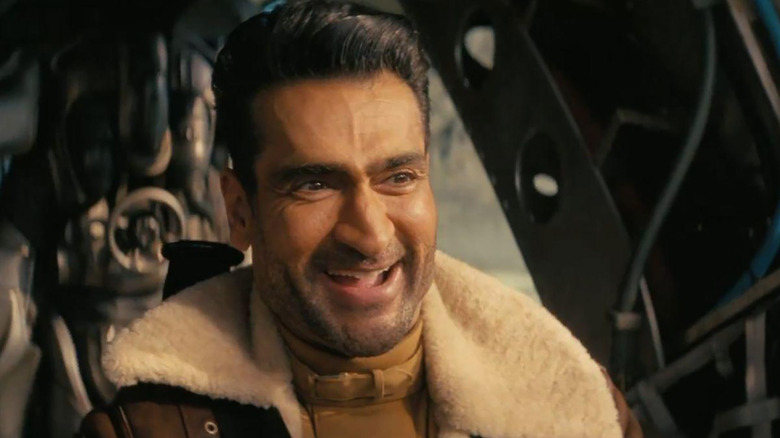 Watching the Fallout TV show, it’s hard not to do a double take at the Brotherhood of Steel. They wear the iconography of a high-order military institution—power armor, ranks, rituals, grand speeches about duty—and yet so many of them behave like barely house-trained raiders with better equipment.
If your mental model of the Brotherhood is “disciplined warrior order” (or if you’re comparing them to something like the Indian military: decorum, professionalism, chain-of-command seriousness), the show’s version feels like a betrayal. But the more I sit with it, the more I think the show isn’t making a mistake—it’s leaning into something that’s been lurking under the Brotherhood’s aesthetic the whole time.
The Brotherhood look like an army. They don’t function like one.
The Brotherhood Was Never One Clean, Uniform Military
A lot of the confusion comes from treating the Brotherhood as if it’s a single institution with a single culture—like a national army where standards are enforced across units, discipline is formalized, and legitimacy flows from the state.
That’s not what the Brotherhood is.
They’re better understood as a fractured techno-monastic order that’s had centuries to drift. Different chapters evolve in isolation, absorbing local realities, trauma, and leadership quirks. Over time, “the Brotherhood” becomes less like a standardized military and more like a brand name shared by distant cousins who don’t actually live the same life.
So yes—some chapters can feel:
- Knightly and rigid (especially the vibe many people associate with earlier West Coast portrayals)
- Authoritarian but structured (a more “organized” version of severity)
- Decaying, insular, and brutal (the kind of chapter that keeps the uniform but loses the soul)
The show’s Brotherhood doesn’t read like an elite parade-ground force. It reads like a low-prestige chapter that’s rotting in place—still armed, still convinced of its own righteousness, but no longer anchored to any healthy institutional correction.
That distinction matters. A uniform doesn’t guarantee a professional culture. It just guarantees a costume.
Think “Crusading Order,” Not “Modern Army”
If you want a better mental model than a modern military, stop imagining drill instructors and start imagining crusader orders.
The Brotherhood’s whole vibe is closer to:
- warrior monks
- relic-obsessed custodians
- an armed cult with hierarchy
That’s not a throwaway insult—it’s a structural difference. In a professional military (at its best), discipline exists to control violence and reliably coordinate action. In a zealot order, discipline often exists to enforce obedience and preserve doctrine.
That difference changes everything:
- Loyalty is to technology and dogma, not civilians.
- Initiates are treated as disposable until they prove themselves.
- Hazing and cruelty aren’t bugs; they’re how the culture reproduces itself.
- “Brotherhood” becomes tribal membership, not mutual respect.
Image credit: Wikimedia Commons
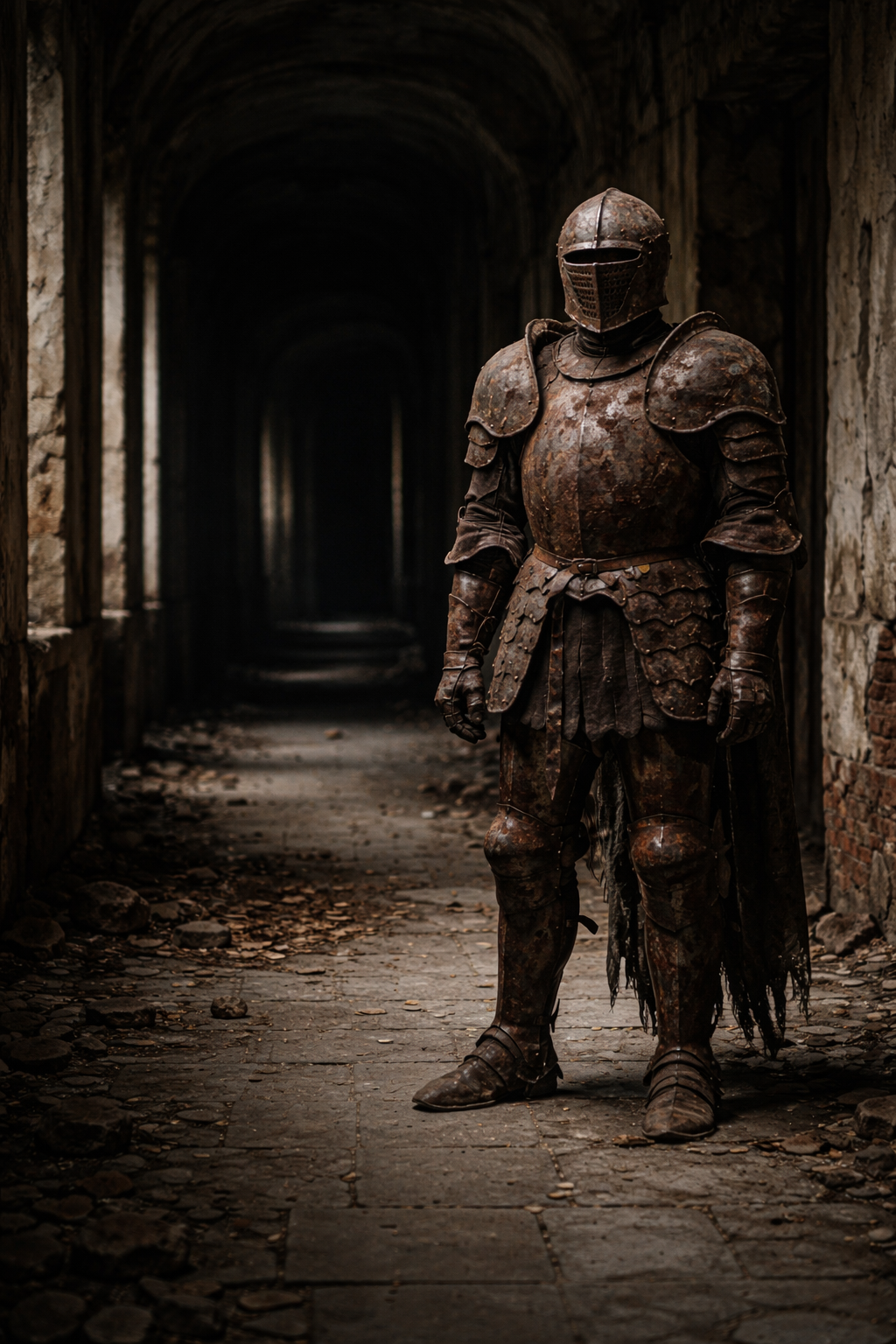 So when the show’s Brotherhood members act petty, cruel, or casually abusive, it’s not automatically out-of-world. It can be an honest depiction of what happens when “honor” is replaced by ritual, and ritual is used as a weapon.

Power Armor Hides Rot
Power armor is the ultimate aesthetic cheat code. Put anyone in it and they look like a disciplined killing machine.
But the show does something quietly smart: it lets you feel the gap between the armor’s symbolism and the people inside it.
Because inside the armor you can have:
- weak training standards
- leadership based on fear rather than competence
- advancement by survival and politics rather than merit
- a lack of grounded, practical “professional soldier” culture
This is where the Brotherhood can start feeling “raider-like.” Not because they literally are raiders, but because the internal checks that separate “organized force” from “armed gang” have eroded.
A real military’s discipline isn’t just shouting and ranks. It’s systems: accountability, NCO culture, institutional memory, consequences for incompetence, and a purpose that connects force to legitimacy. Strip those away and you get something that looks rigid on the surface and feral underneath.
The show’s Brotherhood feels like that: impressive silhouette, shaky spine.
Fallout Has Always Been Suspicious of Militarism
This is the part people forget when they get seduced by the Brotherhood’s visuals.
Fallout is not a franchise about “cool soldiers saving the world.” It’s a franchise that repeatedly asks what happens when the machinery of war outlives the society that made it meaningful.
When military institutions survive the end of civilization, they can become:
- ritual without purpose
- violence without honor
- hierarchy without accountability
- “mission” as an excuse to dominate
The Brotherhood are a perfect vessel for that critique because they’re not just armed—they’re convinced that being armed makes them morally superior. They don’t merely have power; they believe power equals rightful authority.
So if the show had presented them as clean, noble, disciplined heroes, it would have undercut the cynicism baked into the setting. A polished Brotherhood risks turning them into aspirational “good guy soldiers,” which is exactly the kind of myth Fallout likes to puncture.
Why the Indian Military Comparison Makes It Feel Extra Jarring
If you come from a mindset where military discipline implies moral seriousness—where hierarchy is paired with responsibility and professionalism—then the Brotherhood’s behavior feels like a category error.
Because you’re assuming:
- discipline → self-control
- hierarchy → accountability
- brotherhood → mutual respect
- uniform → standards
But the Fallout worldview often flips those assumptions on their head:
- hierarchy ossifies into status games
- discipline decays into cruelty
- brotherhood becomes exclusionary tribalism
- uniforms become theater
That’s why the show’s Brotherhood can feel like “no better than raiders.” Your brain is reading their symbols as proof of character, but the story is showing symbols as camouflage.
And honestly, that’s a sharper message than simply “these guys are bad.” It’s: these guys still think they’re good. They still believe the rituals make them righteous.
The Brotherhood Isn’t “Undisciplined.” It’s Disciplined Toward the Wrong Things.
Here’s the uncomfortable nuance: the Brotherhood can be both structured and vicious.
They may not be undisciplined in the sense of being unable to follow orders. They’re undisciplined in the sense that they lack the kind of professional restraint that makes military discipline admirable.
They’re disciplined toward:
- protecting doctrine
- preserving status
- enforcing submission
- hoarding power (and the tech that symbolizes it)
That kind of discipline doesn’t produce dignity. It produces an obedient machine that can do ugly things without hesitation.
So when you see initiates treated as expendable, cruelty normalized as “toughening,” and authority expressed as humiliation, you’re not watching discipline fail. You’re watching discipline serve a culture that’s hollowed out.
Conclusion
The show’s Brotherhood feels rough because it’s portraying a version of the organization where the aesthetic survived but the institutional soul didn’t. They’re less “modern army” and more “armed order”: hierarchy, ritual, and violence held together by doctrine rather than professionalism. Power armor makes them look like knights; the story is interested in what happens when the knightly image becomes a mask for decay. In that light, the raider-like edge isn’t a mistake—it’s the point.