
AI Removes the Grind, Not the Value
AI isn’t mainly replacing jobs—it’s stripping away the mechanical effort inside them. As output gets easier, value shifts toward initiation, judgment, taste, and the willingness to be seen.
Posted by

Related reading
When Voice Cloning Becomes Accent Caricature
AI voice cloning can preserve a speaker’s timbre while replacing their pronunciation and cadence with a demographic stereotype. Treating Indian English as a single preset turns personalization into systematic misrepresentation.
Cameras and microphones capture well-defined physical signals, while smell and taste emerge from complex chemical patterns. Electronic noses and tongues exist, but their sensors and AI remain specialized rather than universal.
AI Product Demos Need UI Understanding, Not Just Editing
Most “AI demo” tools are just smarter screen recorders working on pixels. The real leap is treating the interface like a scene—auto-directing zooms, pacing, and highlights based on what the UI elements mean.
AI Isn’t Taking Your Job. It’s Taking the Grind.
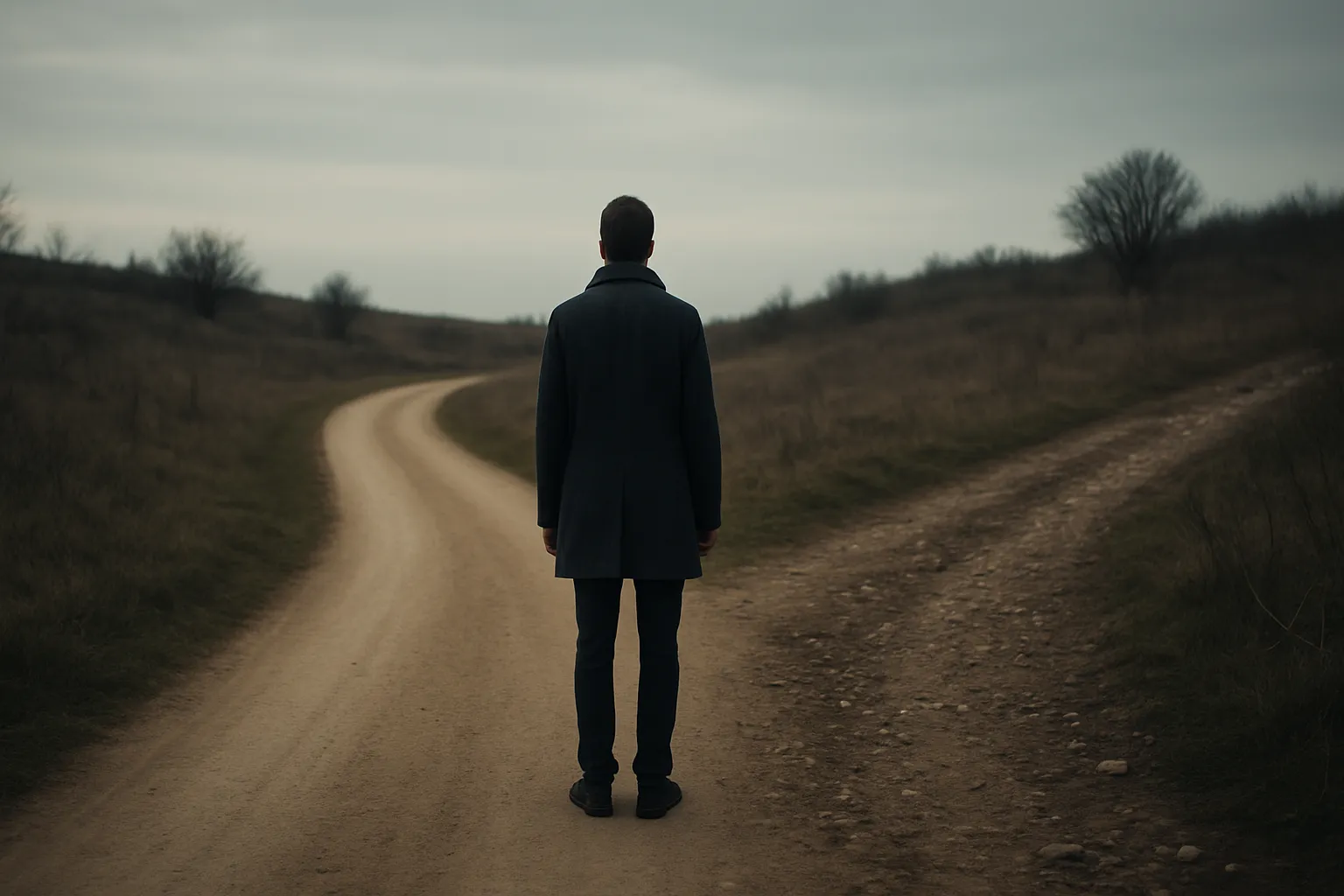
Every time AI trends again, the conversation snaps into the same tired shape: Is it replacing writers? Designers? Engineers? People either panic about mass unemployment or smugly chant “adapt or die.”
I think both sides are missing the main thing.
AI isn’t primarily a job-stealing machine. It’s a grind-removal machine. And once you remove the grind, a much more uncomfortable question shows up:
If effort stops being scarce, what exactly are we paying for?
The mistake: confusing work with value
We’ve been trained to treat “work” like it’s inherently virtuous. The longer it takes, the more complex it feels, the more we assume it must be valuable.
But value has never actually lived inside the struggle. Value lives in what gets created and what gets initiated.
A simple example: imagine building a house.
- If you build it with your bare hands, it takes forever and destroys your body.
- If you build it with machines, it goes faster and costs less time.
Either way, the outcome is still a house. A real, usable thing. Something people want.
The value is not in how much you suffered while mixing cement. The value is in the house existing—and in the decision to build it in the first place.
AI is basically the machine in that metaphor. It doesn’t magically make the “house” worthless. It just changes what part of the process is scarce.
AI separates value from grind
A lot of modern work is “things that have to be done.” That’s grind. It’s necessary, but it’s not where value comes from.
AI accelerates the necessary part:
- drafting
- editing
- formatting
- summarizing
- generating variants
- filling the blank page
- turning rough thoughts into something structured
That doesn’t eliminate the need for humans. It eliminates the need for humans to suffer through the most mechanical parts of expression.
And when that happens, the center of gravity shifts.
If output becomes easier, then value stops clustering around who can grind the hardest and starts clustering around:
- who initiates
- who decides what matters
- who has taste
- who can judge quality
- who can curate
- who can set direction
Not everyone likes hearing that, because it sounds like a fancy way of saying “creators win.”
But it’s not about being a creator as a job title. It’s about being a creator as a posture toward life.
“Easy for founders to say.” What about regular people?
This is the part where people push back: Not everyone is a creator. Some people just want stability. Some people clock in and follow instructions. What happens to them?
Here’s my honest take: it’s in everyone’s nature to be a creator. We’ve just built a society that trains most people out of it.
From school onwards, the message is consistent:
- Don’t be wrong in public.
- Don’t be weird in public.
- Don’t say the thing unless you’re sure.
- Don’t speak until spoken to.
- Don’t make a mess.
Then adulthood adds:
- Don’t take risks.
- Don’t look stupid.
- Don’t put yourself out there.
- Just follow the process.
So we end up with millions of people who have thoughts, opinions, stories, insights, humor, and lived experience—but who treat all of that like it’s not “real” enough to share. They become consumers by default, not because they lack anything worth expressing, but because expression feels unsafe.
AI doesn’t magically fix that. But it does remove the most common excuse: “I don’t know how.”
You don’t need to know how to edit video to communicate anymore. You don’t need to know how to write clean paragraphs to publish an idea. You don’t need a decade of technical skill to produce something coherent.
More and more, you can just speak your thought—and get to a first draft that’s good enough to refine.
That’s not a minor shift. That’s a cultural earthquake.
If everyone can create, what makes someone valuable?
This is where people get nervous. If AI lets anyone produce more, doesn’t everything become noise? Doesn’t output get commoditized? Doesn’t creativity become cheap?
Yes—some forms of output will become cheap. And good. That’s the point.
But “cheap” isn’t the same as “worthless.” It just means the scarcity moves.
When everyone can generate, selection becomes the skill.
When everyone can publish, distribution becomes the skill.
When everyone can make something decent, making something meaningful becomes the skill.
So the value shifts toward:
- Initiation: choosing the problem, starting the project, making the first move.
- Judgment: deciding what to keep, what to cut, what to emphasize.
- Taste: knowing what “good” looks like and being allergic to the average.
- Curation: assembling ideas into something coherent and useful.
- Responsibility: standing behind an opinion instead of hiding behind a bland output.
AI can draft. It can remix. It can accelerate. But it doesn’t take responsibility for a point of view. It doesn’t risk being judged. You do.
The real barrier isn’t technical. It’s psychological.
If you ask why most people don’t create today, the answers usually sound practical:
- “I don’t have time.”
- “I don’t know how.”
- “I need better tools.”
- “I need a better laptop.”
- “I need to learn editing.”
- “I need to improve my writing.”
Those are comforting reasons because they suggest the solution is a checklist. Buy this. Learn that. Take this course. Then you’ll create.
But the real blockers are uglier and more human:
- fear of judgment
- lack of belief that your thoughts matter
- fear of shame
- risk avoidance
People aren’t blocked by lack of skill. They’re blocked by the feeling of being perceived.
Creating means being seen. Being seen means being evaluated. And a lot of people would rather stay invisible than risk finding out they’re “not good.”
AI lowers the technical barrier so hard that the psychological barrier becomes impossible to ignore. When you can go from idea → draft in minutes, the remaining friction is you.
Not your gear. Not your knowledge. Not your workflow.
You.
AI won’t divide humans from humans. It’ll divide humans from themselves.
The popular framing is “AI vs humans.” I don’t buy it.
The sharper divide is going to be:
- people who use AI to express what they already think
- people who use AI to avoid having to think at all
Or more bluntly:
- creators
- silencers of themselves
Because the future isn’t just about who has access to tools. Most people will have access. The future is about who has the nerve to use them publicly.
AI gives you leverage. But leverage only matters if you apply it.
A person with ideas and no confidence will still do nothing. A person with mediocre ideas and consistency will lap them.
That’s not even an AI truth. That’s a human truth that AI is about to amplify.
The uncomfortable opportunity
If you’ve spent your life being “a regular person,” this moment can sound threatening. But there’s another read:
This might be the first time in history where expressing yourself doesn’t require years of technical training.
If you can talk, you can draft. If you can notice patterns, you can write. If you can explain something to a friend, you can teach publicly. If you can have an opinion, you can publish.
The remaining cost is emotional, not technical: the willingness to be judged.
And ironically, that’s the part that makes creation valuable in the first place. Not the polish. Not the perfect edit. The courage to initiate.
Conclusion
AI is going to make creation faster, cheaper, and more available. That won’t erase value—it will relocate it away from grind and toward initiation, judgment, and taste. The biggest threat to most people isn’t automation; it’s the habit of staying silent. The tool is here. The only question is whether you’ll use it to express yourself or to keep hiding.