
When Kibble Suddenly Becomes Unbearable: Teething, Not Drama
If your kitten still has an appetite but refuses dry food, clings to you, and starts chewing wires, mouth discomfort is the first thing to suspect. A short teething phase plus adolescent chaos is often the real culprit—managed with softer food, safer chew options, and tight cable control.
Posted by

Related reading
Why Your Cat Slow-Blinks During Zoomies (It’s Not Sleepiness)
If your cat slow-blinks while racing around the house, he isn’t getting sleepy. It’s a trust signal — your cat can be physically hyper while still emotionally relaxed and safe with you.
When Your Cat Meows for Food but Wants Something Else
If your cat keeps meowing after being fed—then sprints off like a caffeinated gymnast—it’s often not hunger. It’s a learned “meow = human reacts” loop that’s better solved with play, attention, and consistency than extra meals.
When a Cat “Quacks” When Picked Up
A new raspy croak or duck-like sound during pickup is often a clue about discomfort, handling mechanics, or (less commonly) throat irritation. Adjust how you lift, watch for subtle pain or breathing signs, and escalate to a vet visit if it persists or worsens.
When Your Cat Suddenly Refuses Dry Food (and Starts Acting Like a Tiny Demon)
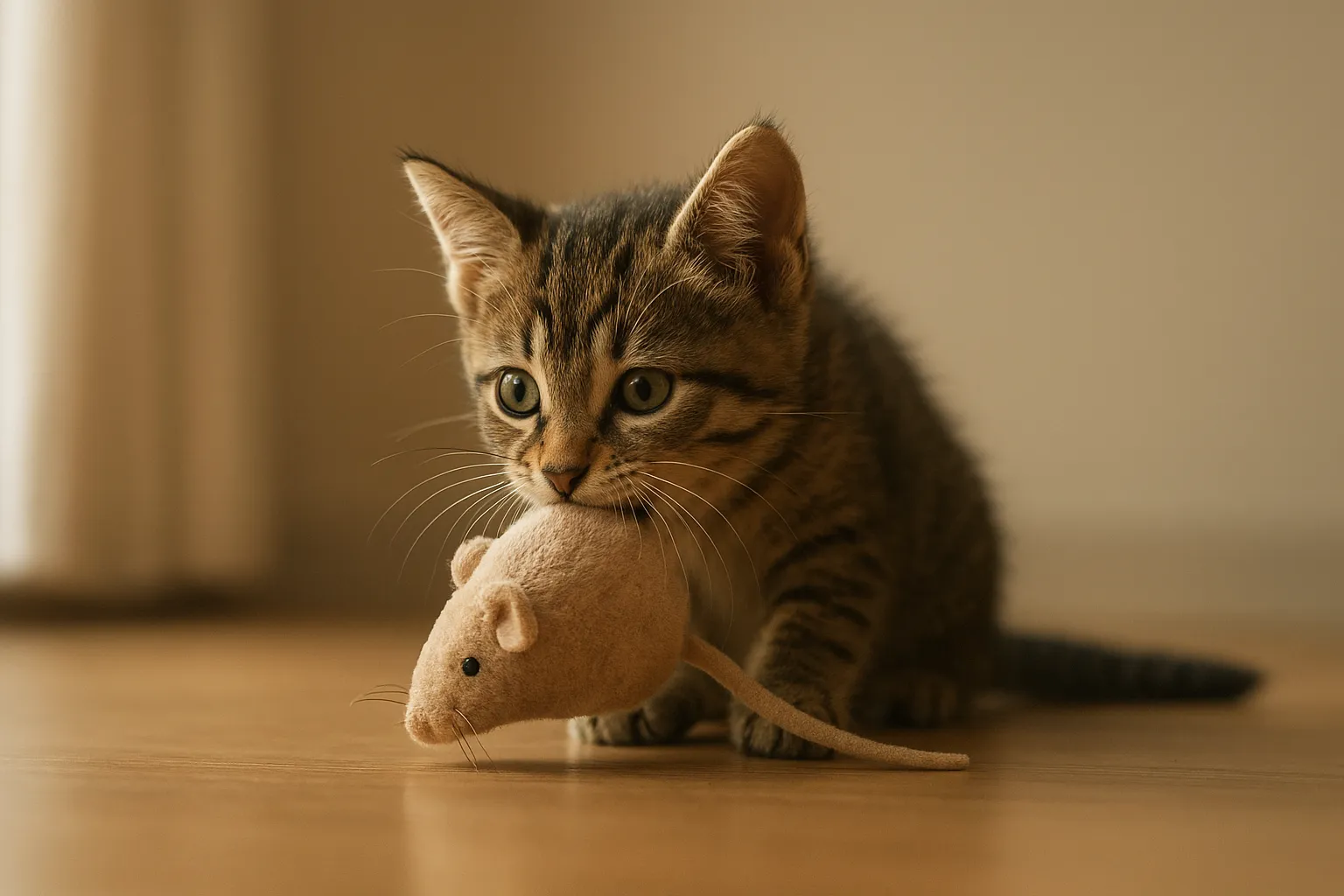
A young cat who’s been fine on kibble and then abruptly acts like dry food is made of gravel can send you straight into panic mode. Add in three days of clinginess, nonstop begging for wet food, and a new hobby of destroying things around the house, and it’s easy to assume something serious is going on.
Sometimes it is. But in the specific combo of: under a year old, indoor-only, normal poop, still hungry, and actively chewing wires, the most likely answer is way less dramatic and way more annoying:
Teething + adolescent chaos.
Not “spoiled,” not “being a brat,” not a coordinated hunger strike. Just a kitten with a sore mouth and a strong need to chomp.
The pattern that matters: “I’ll eat wet food, but I won’t eat kibble”
This detail is everything.
When a cat still wants to eat, still begs for food, and will happily eat wet food but refuses crunchy food, you should think: mouth discomfort first.
If it were a general appetite issue, you’d usually see less interest in all food, more lethargy, hiding, vomiting, diarrhea, etc. But when they’re selective about texture—soft yes, hard no—the mouth jumps to the top of the list.
Even with normal stool, a sore mouth can be driving the whole show.
Why your kitten is suddenly needy and destructive
Cats don’t communicate pain like people do. They don’t limp into the room and announce, “My gums hurt.” They get weird.
A sore mouth can look like:
- Clinginess (seeking comfort and safety)
- Restlessness
- Irritability
- Attention-seeking destruction
- “Biting” behavior shifting into overdrive
And if they’re already in the teenage phase—full of energy, boundary-testing, and just smart enough to be a menace—pain becomes an amplifier. The cat was going to be intense anyway. Now he’s intense and uncomfortable.
The wire-chewing is the dead giveaway
If your kitten is chewing USB cables, chargers, headphones, anything long and rubbery—this isn’t random.
Wires are basically perfect DIY teething tools because they:
- Have resistance (so the cat can press gums against them)
- Are narrow (easy to get toward the back teeth)
- Often smell like your hands (and cats are gross little scent addicts)
That chewing urge isn’t necessarily “boredom.” It’s often oral discomfort looking for an outlet. And unfortunately, your home is full of forbidden, highly satisfying chew targets.
This phase is common, but it’s also a safety issue. Even “low voltage” cables can burn a mouth, shock them, or start a cascading chain of problems you do not want.
So yes—lock this down like you’re baby-proofing for a toddler who can climb.
What’s likely going on in a cat under 1 year old
If your cat is less than a year old, indoor-only, and otherwise energetic with normal poop, here are the most realistic explanations.
1) Teething / dental sensitivity (top suspect)
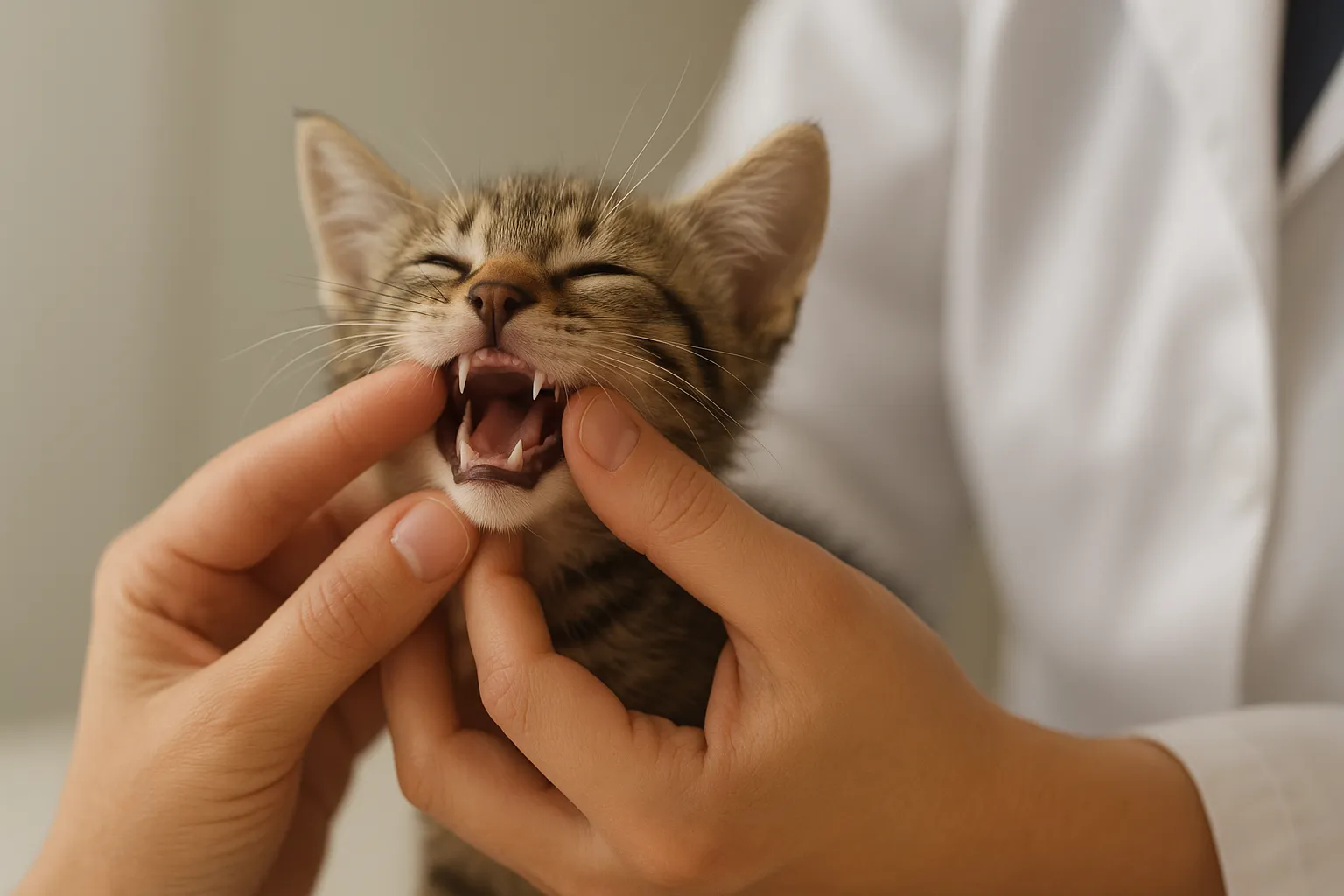
Kittens don’t just magically swap out baby teeth with no discomfort. During the months when adult teeth come in and gums settle, things can get sore. The exact timing varies, but the behavior pattern is very recognizable:
- Crunchy kibble suddenly seems “wrong”
- Wet food is totally fine
- Chewing ramps up (especially on forbidden objects)
- Clinginess spikes
2) Stress as a multiplier
Stress doesn’t have to be dramatic. Cats can get thrown off by tiny changes: schedule shifts, new scents, visitors, cleaning products, even you being home more or less. Stress alone doesn’t usually cause sudden kibble refusal, but it can absolutely make a teething kitten act extra frantic and needy.
3) A learned preference for wet food (usually secondary)
Yes, cats can learn that if they hold out, wet food appears. But “preference” doesn’t usually arrive with a side of frantic wire-chewing and a personality change. When the behavior shift is sudden and intense, assume discomfort is in the mix.
What to do right now (without turning it into a battle)
Feed the cat. Don’t try to “win.”
If your kitten is asking for wet food, give wet food. Trying to force a “kibble only” stance while his mouth hurts is how you create a bigger problem: food aversion, stress, and an angry little gremlin who escalates.
A practical approach for the next 1–2 weeks:
- Mostly wet food
- If you want to keep kibble in rotation, soak it in warm water to soften it
- Skip crunchy treats for now
This won’t “ruin” your cat. It’s just a temporary adjustment while his mouth calms down.
Redirect chewing like your life depends on it (because his might)
You can’t train “don’t chew” in a teething phase. You can only train “chew this instead.”
Give him legal chew targets and rotate them so they stay interesting. The goal is to meet the need, not argue with it.
Ideas that often help:
- Soft rubber cat chew toys
- Plain silicone teething toys (the simple kind; nothing with gel)
- Cardboard strips or thick paper rolls (supervised if your cat eats it)
The point is: he needs something with resistance that isn’t a power cord.
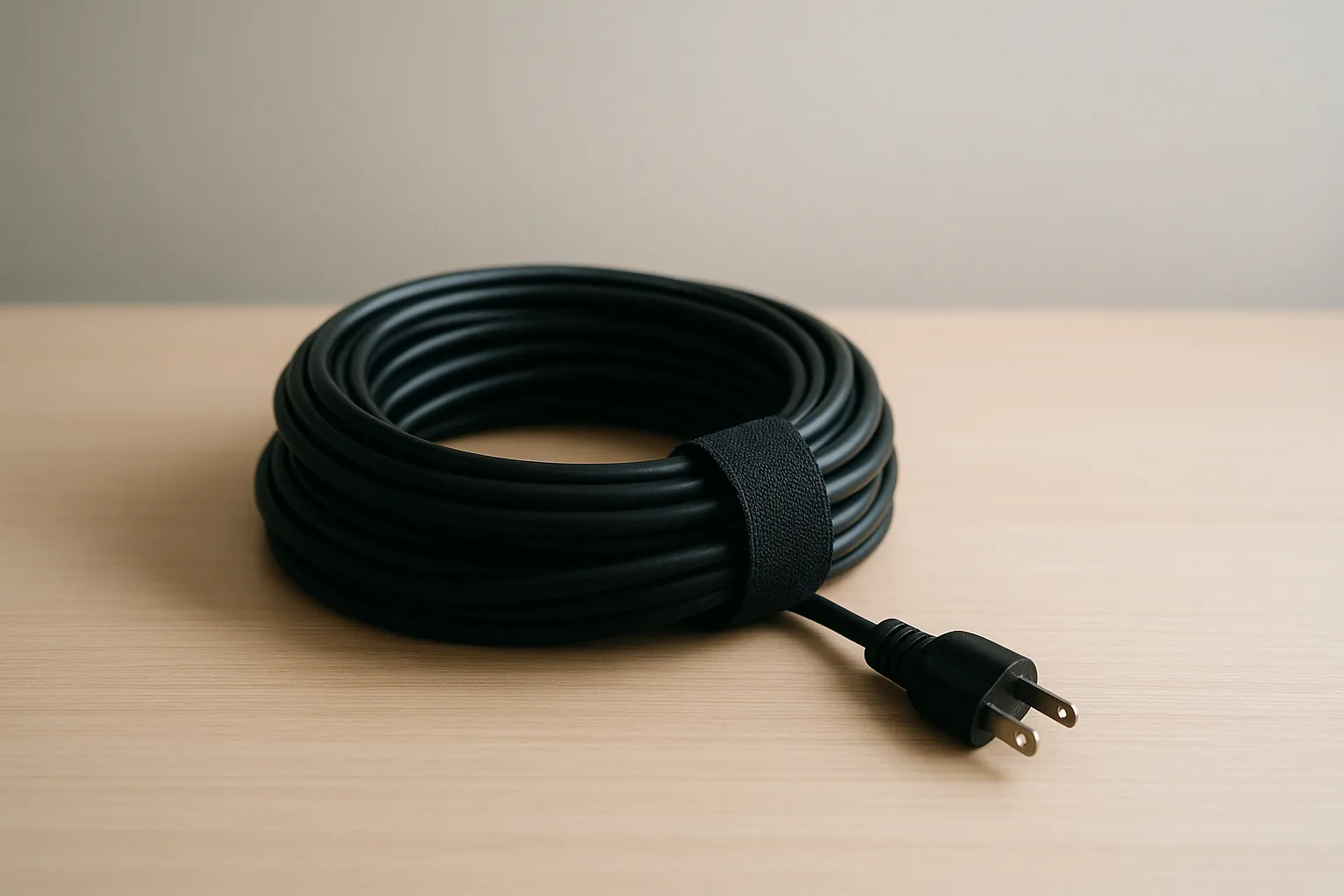
Make cables inaccessible, not just “discouraged”
Bitter sprays and deterrents can help, but they are not a substitute for actually controlling the environment. If a cat has discovered that USB cables are the perfect chew texture, willpower is not going to win.
For the next few weeks:
- Hide cables whenever possible
- Bundle and sleeve cords
- Block access behind furniture
- Temporarily cover exposed sections (even crude barriers help)
Treat this like a short, intense management phase. It’s way easier to go hard for a month than to play whack-a-mole with replacements for six months.
Add structured play (this reduces chaos fast)
Teething discomfort plus unused energy creates the exact cat you’re describing: needy, destructive, and always “on.”
Try:
- 2–3 short, intense play sessions a day (wand toys, chase, pounce)
- End play with food if you can (it mimics hunt → eat → calm)
This won’t cure teething, but it will drain the extra voltage that’s getting dumped into your curtains, your ankles, and your electronics.
What to watch for (so you don’t miss a real problem)
Even if teething is the likely explanation, keep an eye out for signs that suggest something more than normal kitten mouth drama:
- Drooling
- Bleeding gums
- Strong bad breath
- Pawing at the mouth
- Chewing only on one side
- Suddenly refusing all food
- Lethargy, hiding, or “not himself” behavior
If the dry food refusal persists beyond a week or two, or if you see any of the red-flag signs above, it’s worth a vet visit specifically asking for a careful mouth exam. Dental issues can be missed if nobody looks closely and the cat is otherwise acting energetic.
How long does this phase last?
Teething-style chewing tends to peak for a few weeks and then fade as the mouth settles. You’ll usually notice it easing when:
- He starts choosing toys over wires
- Kibble becomes acceptable again (especially softened kibble first)
- The clinginess drops back to his normal baseline
- The “teen tantrums” get less frequent
It’s not overnight, but it’s not forever either.
Conclusion
A kitten who suddenly refuses dry food, begs for wet food, becomes extra needy, and starts chewing wires is usually describing one thing the only way he can: “My mouth hurts and I need to chew.” Feed him in a way that doesn’t hurt, redirect chewing aggressively, and lock down cable access like it’s your job. Most of the time, once the teething discomfort fades, the drama drops with it.